
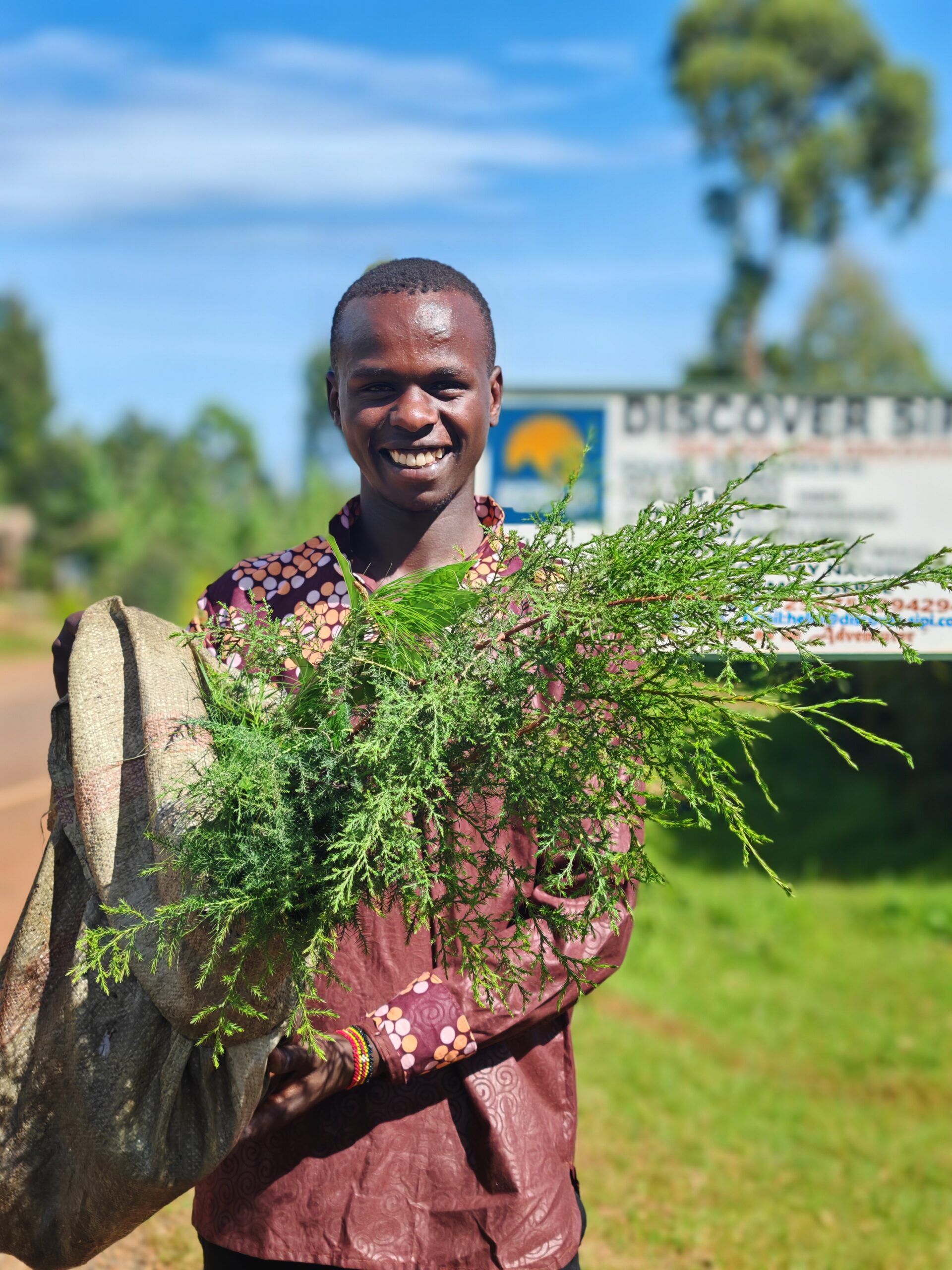
Protecting the mountain that gives our coffee its character
Long before a cup of Kalenjin Coffee reaches your hands, Mount Elgon has already done most of the work. Its volcanic soil, forest cover, and steady rainfall are what make our Arabica taste the way it does. So for us, looking after this mountain isn’t a separate mission from making good coffee, it’s the same one. We’re committed to the land itself, and to the families who’ve built their lives around it, because neither the coffee nor the community can thrive without a healthy mountain underneath them.
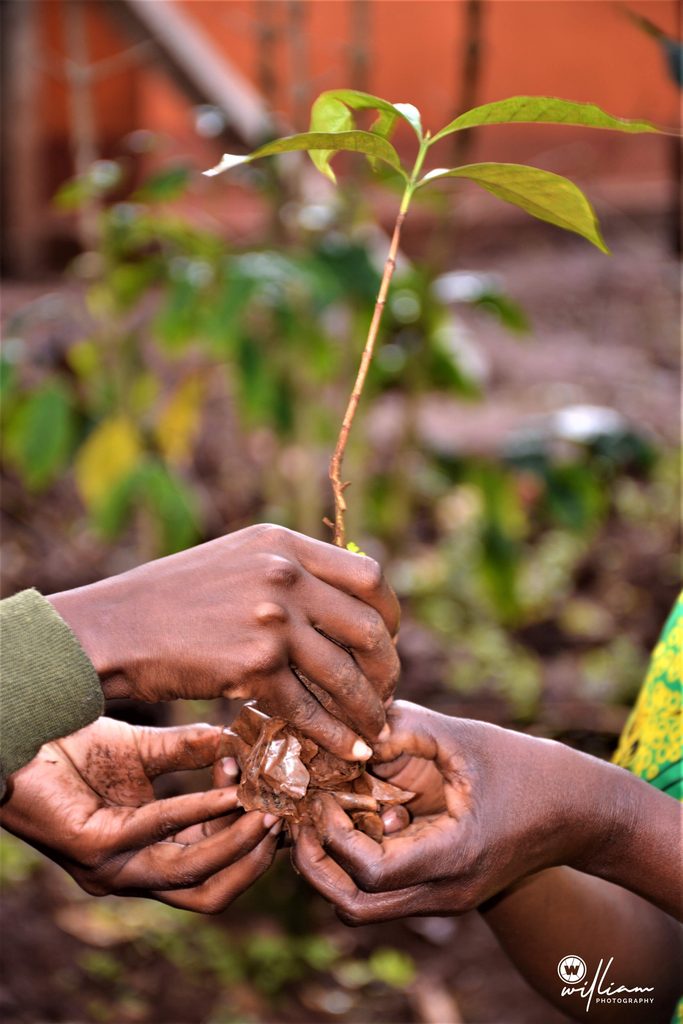
Our Responsibility to Mount Elgon
Arabica coffee is a demanding plant. It grows best at high altitude, in cool temperatures, with rich soil and consistent rainfall conditions Mount Elgon has provided for generations. This isn’t a coincidence of geography; it’s a delicate balance built up over a very long time, and it’s one that can unravel faster than it forms.
Strip away forest cover, and rainfall patterns shift in ways that are hard to predict or reverse. Erode the topsoil on a steep slope, and the next generation of coffee plants struggles to establish roots deep enough to survive a dry season. Warmer, less predictable weather pushes the ideal growing zone higher up the mountain, putting pressure on farms that have operated at the same elevation for decades.
Like a lot of coffee-growing regions around the world, Mount Elgon is feeling these pressures, deforestation from expanding farmland and firewood collection, soil erosion on cultivated slopes, and a climate that no longer behaves the way it used to. We don’t see these as someone else’s problem to manage from a distance. They shape how we source our coffee, who we choose to work with, and where we decide to invest our time and resources. At the end of the day, the mountain’s future and our coffee’s future have never really been separate stories, they’re the same one, just told from different angles.
Growing a Greener Mount Elgon
Trees do a lot of quiet work on this mountain, and much of it happens underground and out of sight. Their root systems bind loose volcanic soil to steep slopes, reducing the erosion that heavy seasonal rains would otherwise cause. Without that root structure, topsoil the very thing coffee plants depend on for nutrients simply washes away, taking years of natural fertility with it.
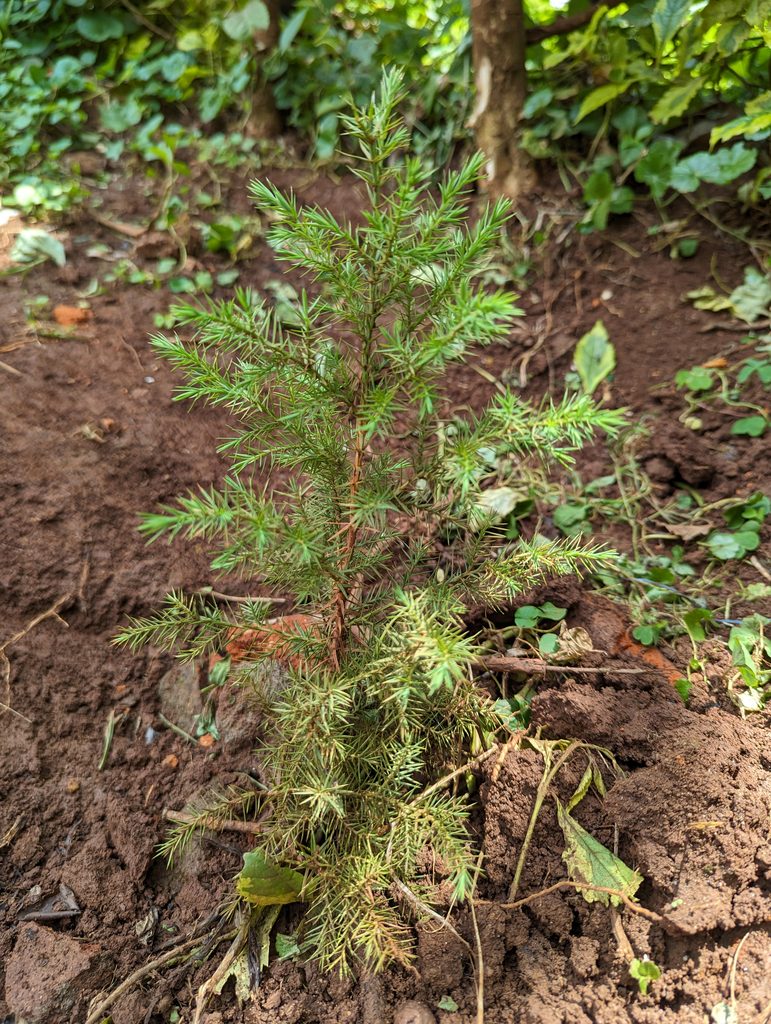
Fallen leaves and organic matter build up slowly around established trees, enriching the soil that coffee plants draw on long after the leaves themselves have decomposed. This is part of what makes indigenous species so valuable here, they’ve evolved alongside this particular soil and climate, and they support it in ways that fast-growing, non-native alternatives often don’t.
Beyond the soil, tree canopies moderate temperature swings across the day, protecting young coffee plants from both harsh sun and unexpected cold snaps. They also give shelter to birds, insects, and pollinators that keep the surrounding farmland biologically alive rather than depleted a healthy, diverse ecosystem tends to be a more resilient one, less vulnerable to pests or disease sweeping through unchecked.
Bringing back native tree cover here isn’t a feel-good gesture for a brochure. It’s practical, necessary work grounded in how this ecosystem actually functions. But planting a tree is really just the beginning of the story, not the end of it. It takes years of watching over a young sapling, protecting it from grazing animals, dry spells, and competition from faster-growing weeds, before it’s established enough to do any of the good work described above. That follow-through — the unglamorous, ongoing care matters to us just as much as the planting day itself, even though it’s far less photogenic.
Farming in Harmony with Nature
Coffee doesn’t grow well in isolation from the rest of the landscape, and farmers on Mount Elgon have understood this for generations, long before the word “agroforestry” existed to describe it. Interplanting coffee beneath the right shade trees keeps plants at a steadier temperature throughout the day, which reduces stress during hotter, drier stretches and can help even out the ripening of cherries.
Shade cover also slows down erosion on sloped land by softening the impact of heavy rain before it hits bare soil, and it creates a habitat layer, the kind of small-scale biodiversity, birds, beneficial insects, healthy soil organisms that keeps a farm resilient without relying entirely on external chemical inputs to manage every problem that comes up.
Soil that’s rich in organic matter, built up over years of careful management, holds water more efficiently and needs less intervention to stay productive from one season to the next. That matters enormously on a mountain where irrigation infrastructure isn’t always practical or affordable, and where farmers are working with what the land and the weather give them.
None of this happens automatically, though. It takes farmers making deliberate, often difficult choices of which trees to keep and which to thin out, how densely to plant coffee beneath them, how to manage soil fertility over time without exhausting it, and how to balance short-term yield against long-term land health. These aren’t abstract decisions they’re made row by row, season by season, often based on knowledge passed down rather than written in a manual.
For us, sustainable farming is really about that balance working with the landscape’s natural systems rather than constantly fighting against them, while still making sure the people growing this coffee can build a real, lasting livelihood from it. One without the other doesn’t hold up for very long.
Be Part of the Future We’re Growing
Maybe you’re a coffee consumer who thinks carefully about where your coffee comes from and what growing it actually costs the land. Maybe you’re a wholesale partner planning years ahead, looking for a source you can rely on for the long term. Or maybe you represent an organization that cares deeply about sustainable agriculture and the communities built around it. Whichever describes you, you’re part of what happens next on this mountain.
Mount Elgon’s future and Kalenjin Coffee’s future have never really been two separate things, even if it’s easy to think of them that way from a distance. When you choose coffee that was grown with this kind of care, care for the soil, the trees, the water, and the people tending all three, you’re backing a way of farming built to last well beyond this season. You’re supporting the next generation of coffee on this mountain, and the families who will spend their lives growing it.
Frequently Asked Questions
Is Kalenjin Coffee certified organic?
Not yet, no. We farm in ways that prioritize healthy soil, biodiversity, and using fewer chemicals wherever possible, but we haven’t gone through official organic certification. We’d rather be upfront about where we currently stand than use a label we haven’t earned through independent verification.
Do you plant trees for every bag of coffee sold?
Not exactly. Our conservation work runs alongside our coffee business rather than being tied to individual purchases. We think that keeps the commitment steady and ongoing, rather than something that rises and falls depending on how many bags sell in a given month.
What kind of trees are you planting?
Indigenous species native to the Mount Elgon region — chosen because they support local soil health and biodiversity and because they’re suited to this specific ecosystem, not because they grow quickly or photograph well.
How do you support the farmers involved in this work?
They’re at the center of it, not an afterthought brought in after the fact. Their knowledge of the land tells us where restoration is needed most, and it’s their ongoing care, long after any planting day, that gives young trees a real chance to survive and mature.
Can I get involved or support this work directly?
Definitely. If you’re a wholesale partner, an environmental organization, or simply someone who wants to learn more about working with us long-term, reach out through our Partner With Us page to start that conversation.